The future of food – Addressing overconsumption and health
The way we produce food and the way we eat poses serious problems in terms of sustainable development and public health. Why and how can we change this? Qorus’ Boris Plantier interviewed Molly Anderson, member of the International Panel of Experts on Sustainable Food Systems (IPES-Food) and Professor of Food Studies at Middlebury College, Vermont.
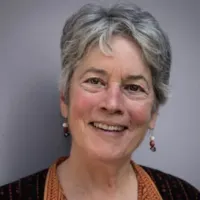
The way we produce food and the way we eat poses serious problems in terms of sustainable development and public health. Why and how can we change this? Qorus’ Boris Plantier interviewed Molly Anderson, member of the International Panel of Experts on Sustainable Food Systems (IPES-Food) and Professor of Food Studies at Middlebury College, Vermont.
We consume more resources than the earth can regenerate. Is this an insurmountable problem? What are the options for adapting?
Our overconsumption of resources is a serious problem, but not an insurmountable one. It has been estimated that humanity is using 4.3 ‘Earths’. But there is a critical distinction between needs and wants. We know that the richest 1% of the population is using an extravagant share of resources and emitting more greenhouse gases than the poorest 66%. Much of this resource use is discretionary: private jets, yachts, second and third homes, etc.
The clearest option for adapting is to determine ‘fair shares’ of resource use and publicize this widely among over-consumers. Attempts have been made to figure out fair shares of different resources. Imposing regulations on resource use (e.g., the amount of land an individual can own) and fair taxes may also be necessary. Moving toward greater equality of income will help as well; sometimes very poor people are forced to overexploit land because they are trying to survive.
It is virtually impossible to decouple economic growth from material consumption, without resorting to unproven technologies. So it will be essential to move away from expansionary economic and monetary systems to reduce the plunder of ecosystems and further impoverishment of marginalized people. The book Less Is More by Jason Hickel is a great introduction to how this can be done while achieving a more equal society.

ESG community
With Qorus memberships, you gain access to exclusive innovation best practices and tailored matchmaking opportunities with executives who share your challenges.