Africa’s Tech Growth Stories: Jumia
Founded in 2012, Jumia has become the leading pan-African e-commerce platform, shaping how millions access goods and services across the continent. We spoke with its Global Head of Communication, Abdesslam Benzitouni, about the company’s journey and ambitions.

Founded in 2012, Jumia has become the leading pan-African e-commerce platform, shaping how millions access goods and services across the continent. We spoke with its Global Head of Communication, Abdesslam Benzitouni, about the company’s journey and ambitions.
Can you tell us how Jumia was created and what inspired its founding?
Jumia was founded in 2012 with a simple but ambitious goal: to make it easier for people across Africa to access a wide range of products and services through digital technology. At the time, e-commerce was still very nascent on the continent, yet the founders recognized two powerful trends, Africa’s rapidly growing population and the increasing adoption of mobile phones and internet connectivity.
The idea was to build a platform that could connect consumers with local and international sellers, while also developing the logistics and payment infrastructure necessary to support online commerce in markets where such systems were still evolving.
From the beginning, Jumia positioned itself not just as an online retailer, but as a technology company building digital infrastructure for commerce in Africa. The vision was to create an ecosystem that supports entrepreneurs, empowers SMEs, and expands consumer access to goods and services.
What services does Jumia offer, and in which countries does it operate?
Jumia operates as a pan-African e-commerce ecosystem that connects sellers and consumers through its marketplace platform.
Our core pillars are:
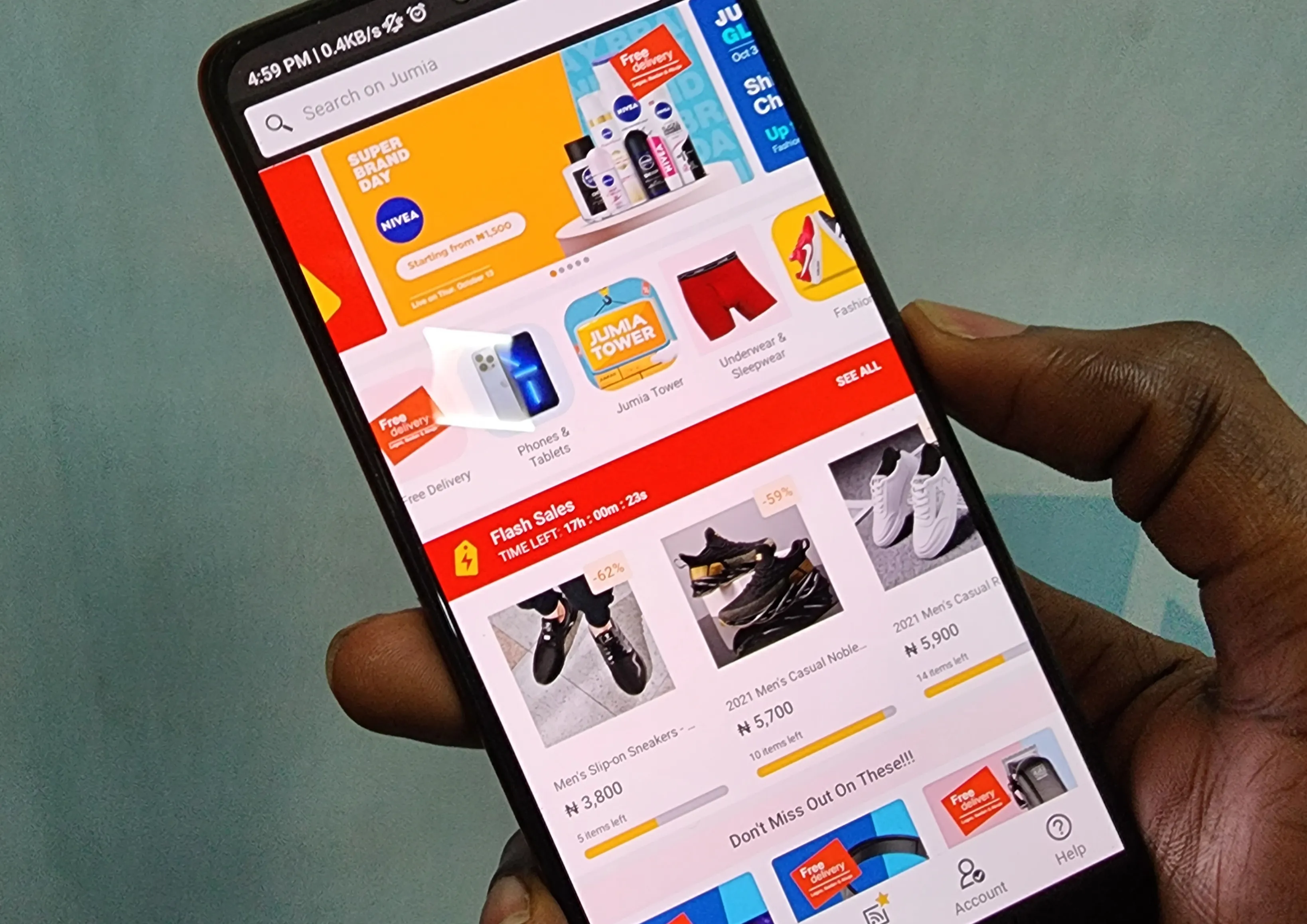
● Jumia Marketplace – an online platform where local and international sellers list and sell products across categories such as electronics, fashion, beauty, groceries, and home essentials.
● Jumia Logistics – a delivery infrastructure that enables reliable last-mile delivery across urban and semi-urban areas.
● JumiaPay – our secure digital payment platform that facilitates online transactions within our ecosystem.
Jumia currently operates in 8 African countries: Nigeria, Egypt, Morocco, Kenya, Ghana, Côte d’Ivoire, Senegal, and Uganda.
Across these markets, Jumia continues to focus on expanding digital commerce while enabling local sellers and brands to reach a wider customer base.
Jumia has recently ceased its activities in Algeria and Tunisia. Can you elaborate on the challenges you faced in these countries?
Our decision to discontinue operations in Algeria and Tunisia was part of a broader strategic review aimed at strengthening Jumia’s long-term sustainability and focusing resources on markets where we see the strongest growth potential and business opportunities .
Algeria represented less than 2% of the GMV in 2025, a very small market. By focusing our resources on markets with stronger growth trajectories, we aim to strengthen our overall performance, create value across our business and reach our profitability by 2027.
We remain confident about the future of e-commerce in Africa and will continue to offer our services to consumers and vendors through Jumia in the other eight countries.
Could you also tell us more about the partnerships Jumia maintains with insurers, banks, or other credit institutions?
Partnerships are central to Jumia’s ecosystem because e-commerce thrives when different sectors - finance, logistics, insurance, and technology, work together.
Over the years, Jumia has partnered with banks, fintech companies, mobile money operators, and credit institutions to expand access to digital payments and financial services across Africa.
These partnerships enable several important capabilities, including:
● Secure digital payment solutions through JumiaPay and other financial partners
● Buy-now-pay-later and credit solutions in selected markets
● Mobile money integrations, particularly in East and West Africa
The goal is to remove barriers to online commerce by making payments safer, easier, and more accessible, especially for first-time online shoppers.
What do you think are the key factors behind Jumia’s success so far?
Several key factors have contributed to Jumia’s journey and growth.
First is local understanding. Africa is not a single market, it is a collection of diverse economies, cultures, and consumer behaviors. Jumia’s teams across the continent have built solutions tailored to local realities. For instance, we have thousands of local sales agents to meet offline potential customers on the street, market etc. they are very active on rural areas where the demand is growing.
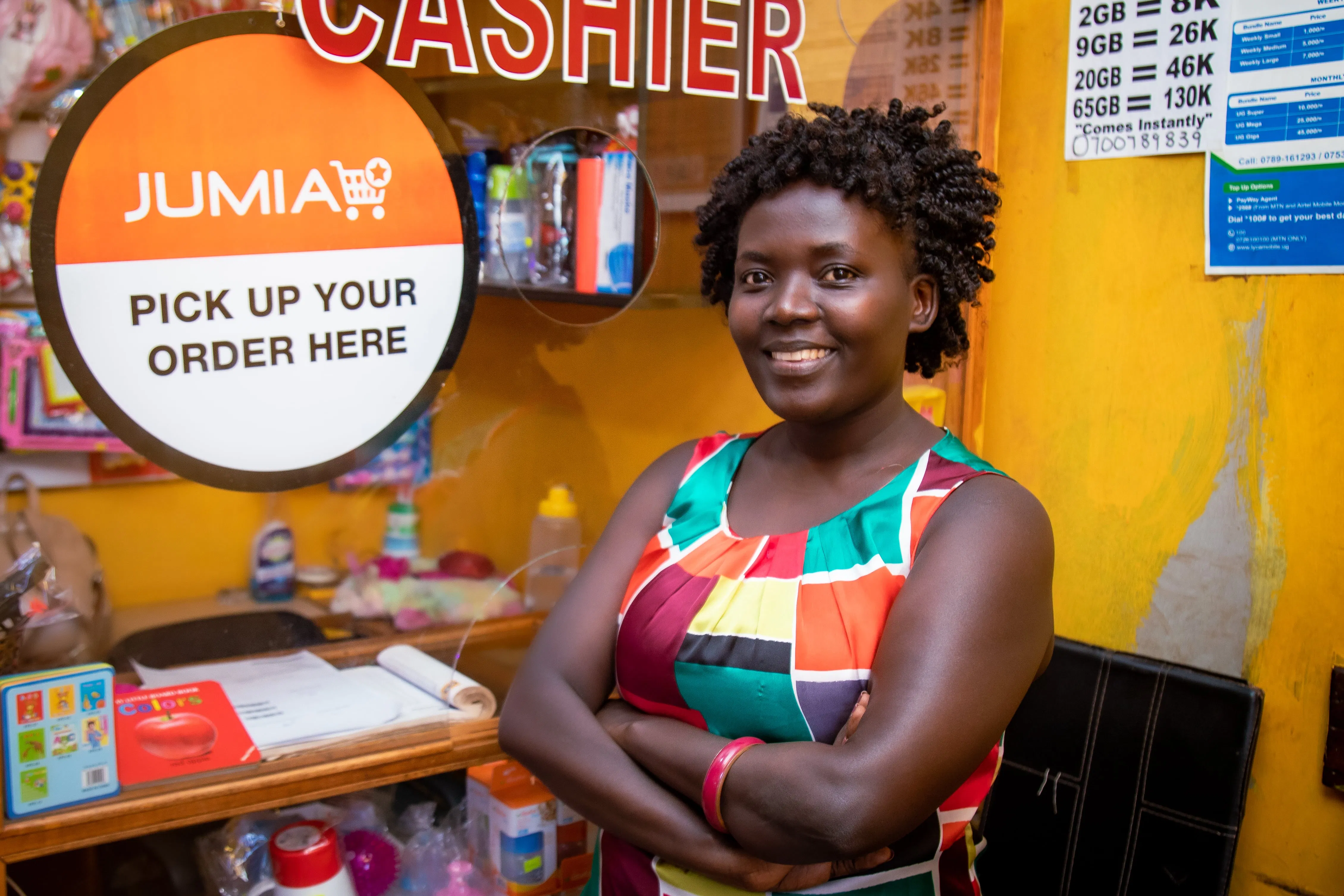
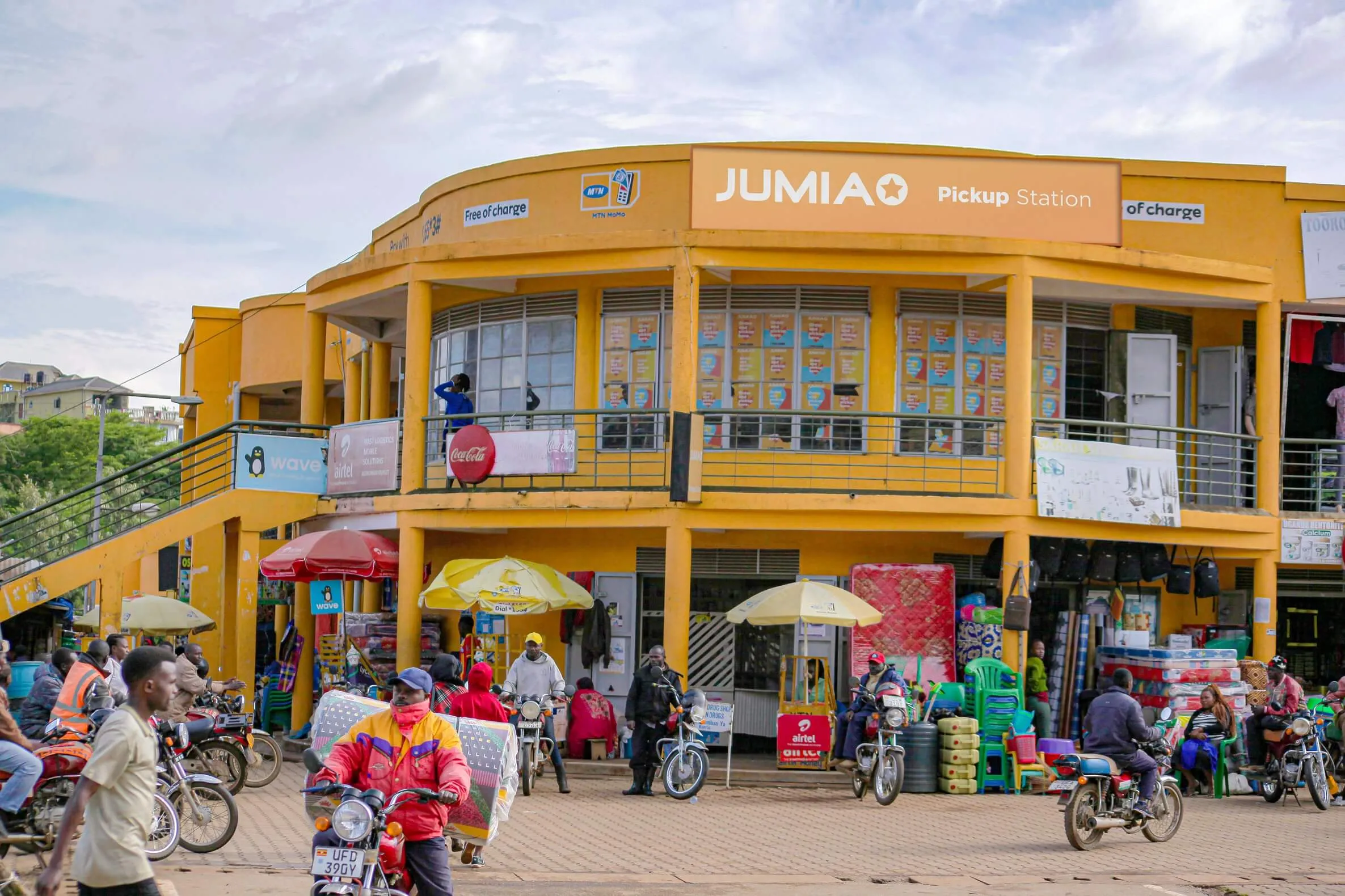
Second is investment in logistics infrastructure. Reliable delivery networks are fundamental to e-commerce, and Jumia has spent years building logistics capabilities (Pick up Stations, local logistics partners, etc) that reach both major cities and underserved areas.
Third is empowering local entrepreneurs. A significant portion of the sellers on Jumia are small and medium-sized businesses. By giving them access to digital tools, logistics, and millions of customers, Jumia helps them grow beyond their immediate communities.
Finally, technology and data allow us to continuously improve the customer experience, from product discovery to payment and delivery.
What is your vision for Jumia over the next 10 years?
Over the next decade, our vision is for Jumia to continue serving as a leading digital commerce platform for Africa.
We see enormous opportunities ahead as internet penetration increases, smartphone adoption grows, and digital payments expand across the continent.
Our priorities will include:
● Expanding the number of sellers and brands on the platform
● Keep expanding up countries (rural areas and secondary cities)
● Improving logistics efficiency and delivery coverage
● Leveraging technology and data to create more personalized and seamless shopping experiences
Ultimately, we want Jumia to be a platform that not only enables commerce but also supports economic growth, job creation, and entrepreneurship across Africa.
How do you see Africa positioning itself today as a place for innovation and business growth, and what advantages does the continent offer to entrepreneurs and investors?
Africa today represents one of the most dynamic and promising frontiers for innovation and business growth globally.
The continent has several structural advantages:
First, demographics. Africa has the world’s youngest population, which means a rapidly growing digital-native consumer base.
Second, mobile-first adoption. In many African markets, consumers leapfrogged traditional infrastructure and adopted mobile technologies directly, creating fertile ground for digital solutions.
Third, entrepreneurial energy. Across sectors, from fintech to logistics and agriculture, we are seeing a wave of startups building solutions tailored to local challenges.
Finally, market potential. With over 1.5 billion people, Africa represents one of the largest untapped consumer markets in the world.
For entrepreneurs and investors, the opportunity lies in building solutions that solve real everyday challenges, whether in commerce, finance, mobility, or logistics.
Companies like Jumia demonstrate that when innovation meets local insight, it is possible to build platforms that transform how people live, work, and transact across the continent.
Leverage community expertise to redefine finance
Our communities cover diverse topics such as digital transformation, SME finance, or Embedded insurance, providing a platform to learn from industry experts and peers.