Africa’s Tech Growth Stories: mPharma
Priscilla Asante, Chief of Staff & VP, Strategic Initiatives at mPharma, explains how mPharma is reshaping the role of the pharmacy in Africa—transforming it from a simple point of sale into a gateway for continuous care. In this interview, she discusses the company’s evolution, the realities of scaling healthcare innovation, and why Africa remains one of the most dynamic markets for growth and opportunity.
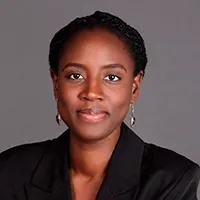
Priscilla Asante, Chief of Staff & VP, Strategic Initiatives at mPharma, explains how mPharma is reshaping the role of the pharmacy in Africa—transforming it from a simple point of sale into a gateway for continuous care. In this interview, she discusses the company’s evolution, the realities of scaling healthcare innovation, and why Africa remains one of the most dynamic markets for growth and opportunity.
Can you tell us how mPharma was created and what inspired its founding?
mPharma was founded in 2013 to address a simple but critical problem: patients could not reliably access the medicines they needed. Stockouts were common, pricing was inconsistent, and quality was not always assured.
We focused on aggregating demand and managing inventory more centrally to improve availability and reduce costs—an approach that remains core today. But access alone was not enough. Patients were still dropping off treatment. The gap was continuity.
Care is often organized around individual visits, with little support between them. Yet the one place patients return to consistently is the pharmacy. That insight shaped our evolution into a pharmacy-anchored care model, integrating essential services with ongoing patient engagement across the care journey.
Today, we combine access, care, and follow-up through partnerships at scale. The impact is clear: we’re identifying thousands of previously undiagnosed patients and improving adherence in measurable ways.
Access gets patients in the door. Continuity is what changes outcomes.
What services does mPharma offer, and in which countries does it operate?
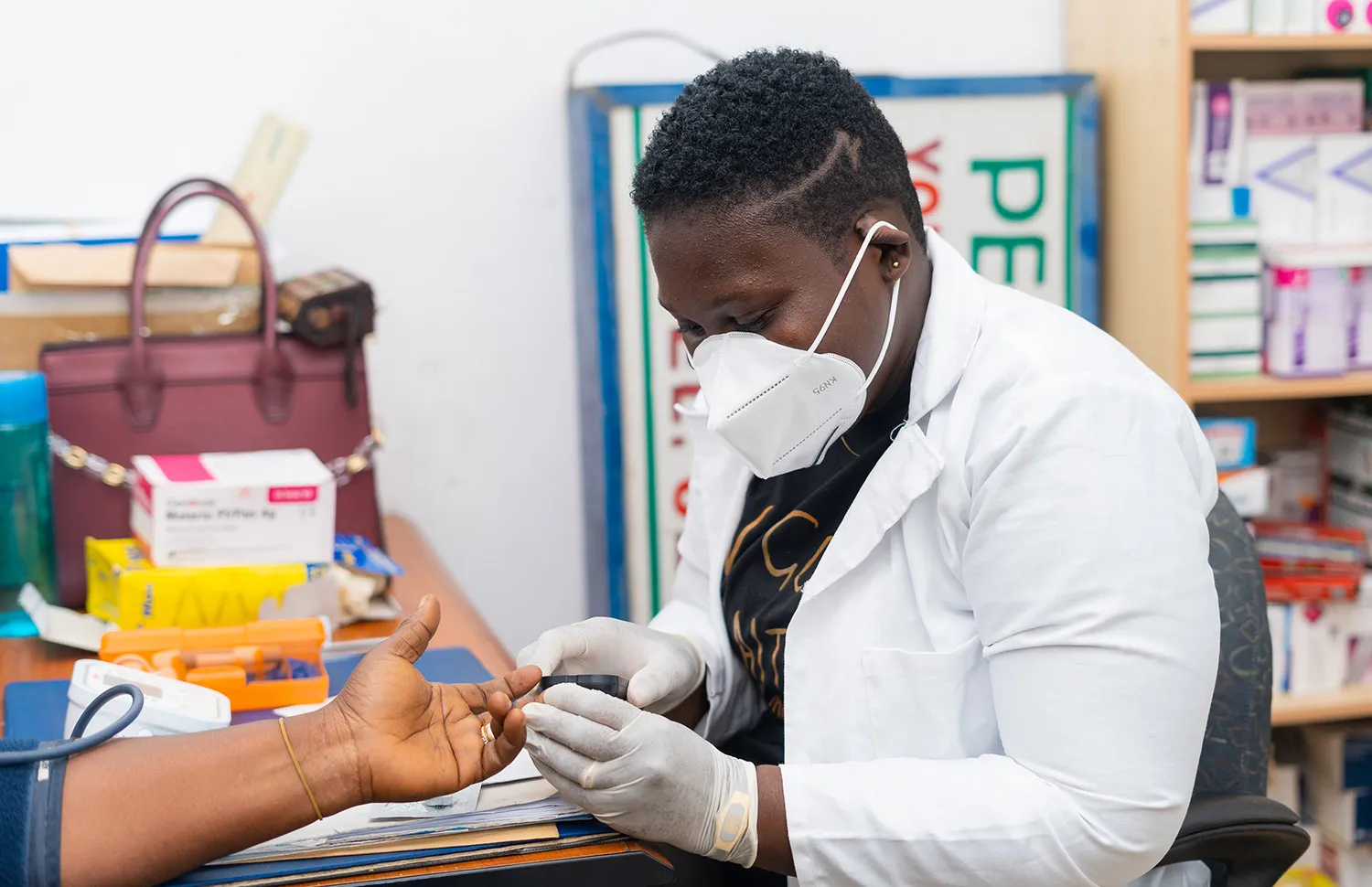
mPharma operates a pharmacy-anchored model that combines access to medicines with essential healthcare services and ongoing patient support.
Our core services include:
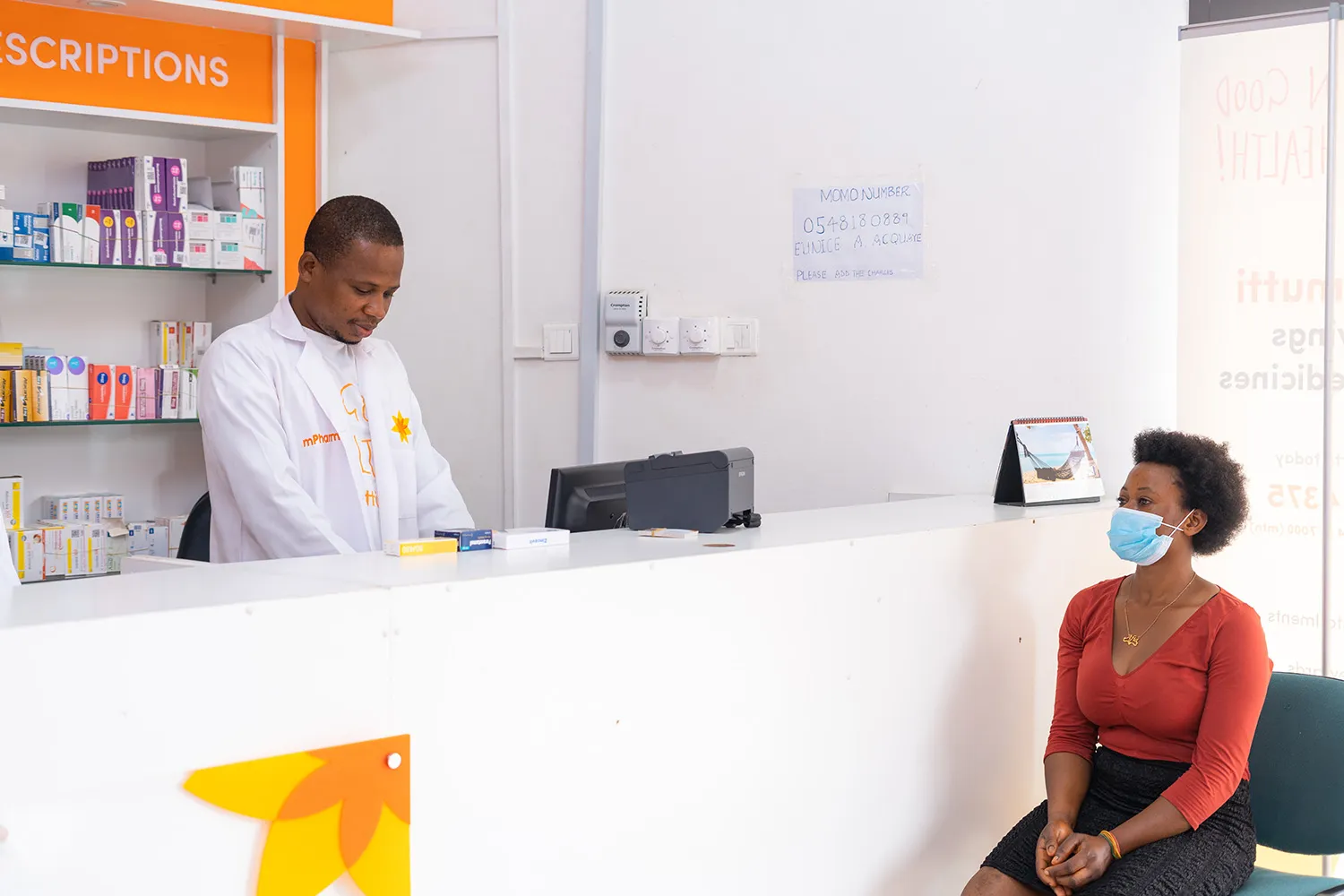
● Retail pharmacy network: Through our mutti pharmacies—both owned and franchise—we provide quality-assured medicines alongside primary healthcare services, supported by last-mile delivery.
● Patient access and care programs: Delivered directly and with partners, particularly for chronic conditions, these programs focus on improving access, adherence, and long-term outcomes.
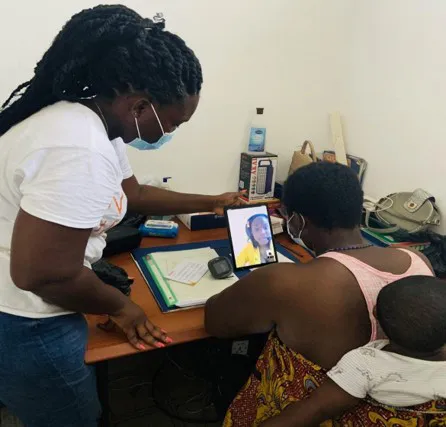
● Telemedicine (mutti Doctor): Enabling patients to consult healthcare professionals remotely, extending access beyond the physical pharmacy.
We currently operate across four core markets—Ghana, Nigeria, Togo, and Benin—serving patients through a combination of physical pharmacy locations and digitally enabled channels.
At the core of our model is a simple idea: care shouldn’t stop at the point of sale—it should continue across the patient’s life.
Does mPharma offer health insurance services or partner with insurance companies? If not, is this a space you’re considering exploring?
We don’t operate as an insurer, but we work closely with health insurers and HMOs. Because in many of our markets, the primary issue isn’t just who pays for care—it’s whether care is actually available.
Healthcare is still largely out-of-pocket. Insurance coverage is growing, but many patients—insured or not—face the same reality: they walk into a pharmacy, and the medicine isn’t there.
Insurance covers cost. It does not guarantee access. That’s where we focus—on the delivery side. Improving availability. Stabilizing pricing. Making the system more reliable for patients day-to-day.
Our role in partnering with insurers is to make their coverage usable in practice. Expanding access across our network ensures that when a patient is covered, they can actually receive treatment. We’re very deliberate about that focus. We don’t replace insurance—we make it work.
What do you think are the key factors behind mPharma’s success so far?
A big part of mPharma’s progress has come down to a few principles. First is execution. In healthcare, good ideas are not the constraint—reliability is. Models only matter if they work consistently in the real world, which means focusing on availability, pricing, and whether patients can stay on treatment.
Second is how we grow. Rather than building parallel systems, we’ve strengthened existing pharmacy infrastructure. Third is partnerships, which have enabled us to scale and continuously improve the model.
Underlying all of this is focus—staying anchored on access and delivery. In healthcare, success doesn’t always come from building new systems. It can come from making existing ones actually work for patients.
What are the main challenges you need to overcome to grow further?
The main challenge is not defining the model, but making it work consistently at scale. In healthcare, models rarely fail in theory—they fail in execution.
First is reliability: ensuring medicines are available, managing pricing in volatile environments, and delivering a consistent experience across locations.
Second is consistency at scale, maintaining the same standard as we expand.
Third is sustainable economics—balancing upfront investment with long-term commercial viability.
And finally, adoption. Growth depends on behavior change: patients, providers, and partners trusting and consistently using the system. In this space, trust is built through consistent execution, not through messaging.
What is your vision for mPharma over the next 10 years?
Our vision is to build a pharmacy-anchored platform that connects the full patient journey.
Today, healthcare is accessible at many points, but remains fragmented, with little coordination between providers. We believe pharmacies can serve as the anchor, connecting access to medicines, consultations, diagnostics, hospital care, and prevention into a more continuous experience.
The focus over the next decade is not just expansion, but making this model work reliably at scale—improving availability, strengthening consistency, and connecting care more effectively. Partnerships will be central to this.
Ultimately, success is not defined by footprint. It’s defined by whether healthcare feels connected, reliable, and continuous to the patient.
How do you see Africa positioning itself today as a place for innovation and business growth, and what advantages does the continent offer to entrepreneurs and investors?
Africa is a place where innovation is driven by real, everyday challenges. Many systems are still developing, creating space to build practical solutions focused on access, affordability, and reliability.
One of the biggest advantages is the clarity of demand—large underserved populations mean that when solutions work, adoption can be strong and growth meaningful. There is also flexibility in how people engage with services, allowing models to be designed around real behavior rather than legacy systems.
While constraints around infrastructure and capital are real, they force discipline, pushing companies to build resilient, efficient models grounded in reality. The opportunity is simple: solve real problems, and you can build both impact and scale.
Insurance & Embedded Insurance community
With Qorus memberships, you gain access to exclusive innovation best practices and tailored matchmaking opportunities with executives who share your challenges.