Turning innovation into business value: Inside AIA’s transformation journey
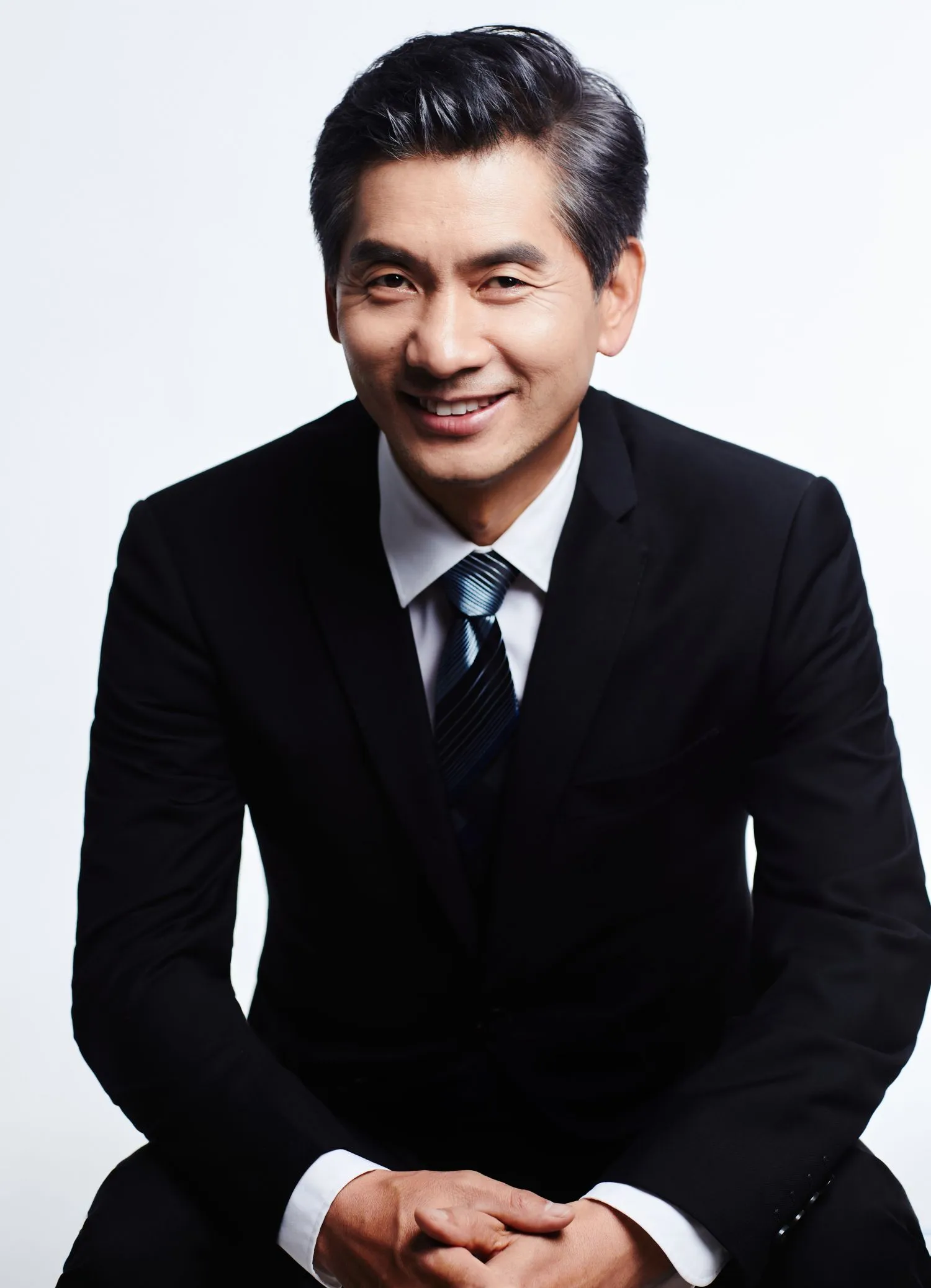
Xinfa Cai, Chief Innovation Officer at AIA Group, shares the company’s approach to innovation, AI adoption and enterprise-wide transformation.

Xinfa Cai, Chief Innovation Officer at AIA Group, shares the company’s approach to innovation, AI adoption and enterprise-wide transformation.
Recognised in the Transformative Innovator of the Year category at the Qorus Innovation in Insurance Awards 2026, AIA continues to focus on turning innovation into measurable business value and delivering better outcomes for customers, agents and employees.
Can you introduce yourself and tell us more about your role at AIA?
I lead AIA’s Group Innovation Office, which helps drive growth, transformation, and better outcomes for our customers, agents, and employees through innovation and technology.
My role focuses on turning innovation into business value. That includes shaping our AI and innovation strategy, building enterprise capabilities, identifying opportunities where technology can have the greatest impact, and working closely with teams across Asia to scale successful ideas.
Innovation is not about technology for technology’s sake. Whether we are empowering agents, improving customer experiences, simplifying operations, or expanding access to healthcare, our focus is on creating meaningful outcomes that deliver measurable value.
You were recognised in the Transformative Innovator of the Year category at the Qorus Innovation in Insurance Awards 2026. What does this award mean to you and your innovation team?
It is an honor for AIA to be recognized by the industry, but this award really belongs to our teams across the organization.
Innovation is never the work of one person. It reflects the collective efforts of colleagues across markets and functions who bring together deep business expertise, technology capabilities, data and AI talent, and a shared commitment to solving real customer and business challenges.
This recognition also reflects the strong foundation AIA has built over many years through our Technology, Digital and Analytics (TDA) transformation. The investments we have made in cloud, data, digital platforms, governance, and talent development have created the capabilities that enable us to innovate and scale AI across the enterprise.
Most importantly, the award validates our belief that innovation must be tied to outcomes. While we are proud of this achievement, we see it as motivation to continue pushing boundaries and delivering greater value for our customers, agents, employees, and communities.
Could you tell us how transformation and innovation are organized at AIA?
Our approach is deliberately business-led.
The Group Innovation Office provides strategy, governance, and shared capabilities, but innovation happens throughout the organization. The best ideas often come from teams closest to our customers and business challenges.
We operate through a federated model in which Group sets the vision, standards, and platforms, while business units drive execution in their local markets. This allows us to combine scale with local relevance, leveraging Group capabilities while addressing the unique needs of each market.
Ultimately, innovation is everyone’s responsibility. Our role is to create the environment, tools, and culture that enable teams to innovate with confidence and at scale.
AIA is widely recognised as a leader in AI adoption. How does AIA approach AI?
We see AI as one of the most important transformational opportunities of our generation.
Our approach starts with a simple principle: AI must create value for people. We focus on improving customer experiences, increasing productivity, enabling better decision-making, and supporting growth across the business.
Our priorities include embedding AI into business processes, enhancing customer and distribution experiences through personalization and insights, and building enterprise capabilities that enable AI adoption at scale.
Equally important is responsible AI. Trust is fundamental to our business, which is why we place strong emphasis on governance, risk management, transparency, and human oversight. We believe sustainable AI adoption requires both innovation and accountability.
Having an AI-ready workforce is challenging. How do you drive widespread adoption of AI across your workforce?
AI transformation is ultimately a people transformation.
Our goal is to make AI accessible, practical, and relevant to every employee. We invest in capability building through initiatives such as AI Academy, hands-on learning, role-based training, and practical use cases linked to everyday work.
We also encourage experimentation and the sharing of success stories so employees can see the tangible value AI creates. When people see their colleagues working more effectively with AI, adoption grows naturally.
Leadership is equally important. When leaders actively embrace AI and champion new ways of working, they help build confidence and accelerate change across the organization.
Innovation and transformation can help address business challenges. What are the biggest challenges facing AIA’s innovation teams today?
The challenge today is not generating ideas. The real challenge is scaling innovation and delivering measurable business impact.
While many organizations can pilot new technologies, fewer can embed them into daily operations, drive adoption across multiple markets, and sustain value over time.
At the same time, AI is evolving rapidly, requiring organizations to balance speed with robust governance, security, and risk management.
Perhaps the most important challenge is change management. Technology is an enabler, but people determine whether transformation succeeds. Building skills, fostering adaptability, and creating a culture of continuous learning are essential for organizations that want to realize the full value of innovation.
Innovation Awards Hub community
With Qorus memberships, you gain access to exclusive innovation best practices and tailored matchmaking opportunities with executives who share your challenges.